
Apple released the HomeView this week.
As a self-proclaimed Apple nerd and tech enthusiast, it wouldn’t be much of a stretch to expect that I would have ordered one.
In fact, I did.
Then, about two weeks ago, I canceled my preorder. While there are a few reasons I did, the primary reason is simple: the smart home has offered many promises and delivered on very few.
For nearly a decade, smart home tech has been promising to improve our lives measurably. It claims it can automate, simplify, and streamline our day. By connecting our devices and adding smarts, everything should just work better.
Right?
But there’s a problem. Smart home tech simply hasn’t delivered on many of those promises. Not only hasn’t it delivered, but it has also created new costs and complexity that often create more trouble than they save.
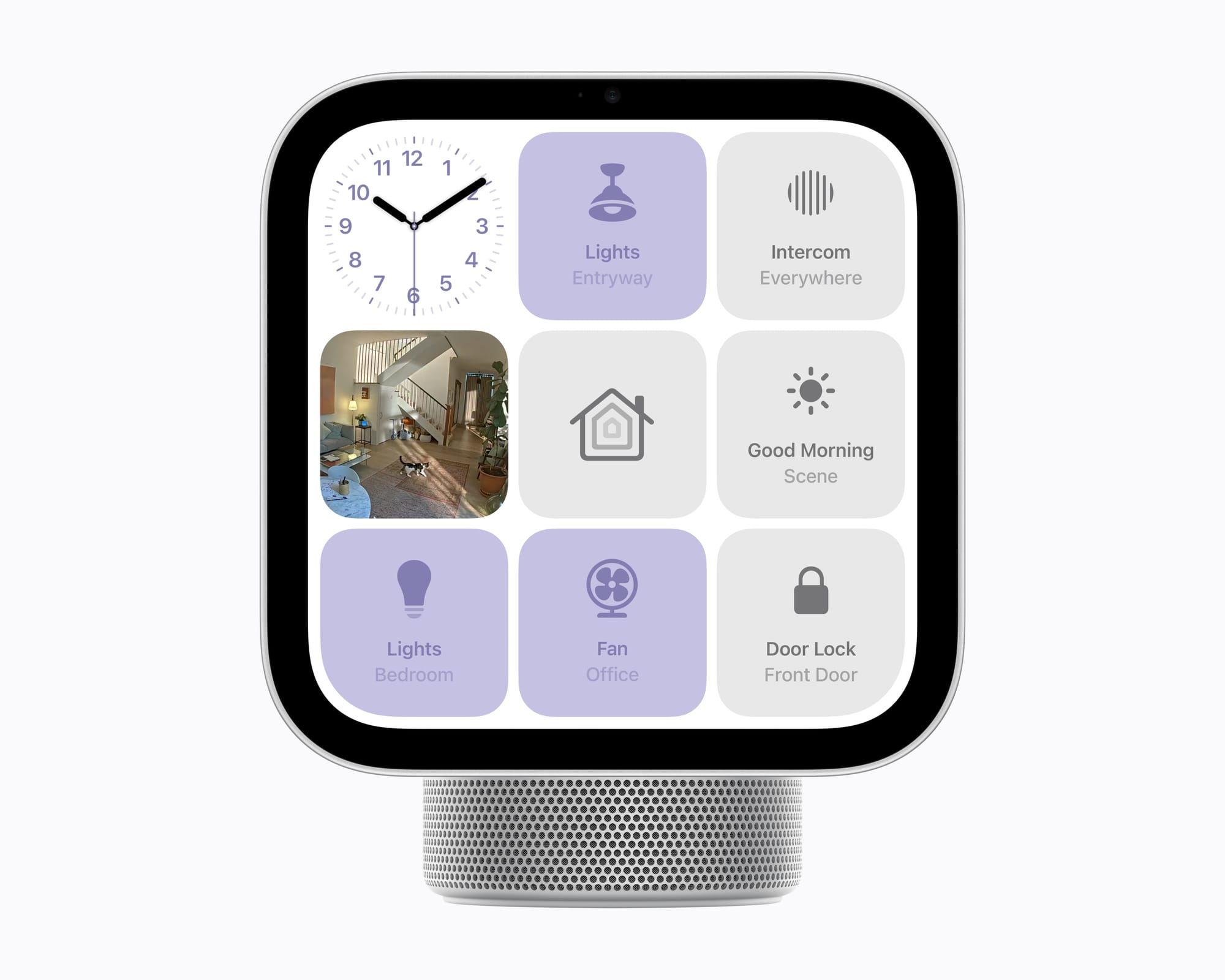
And the Apple HomeView is designed, in part, to be a hub for your smart home. So…
Now, I have to admit that there is some smart home tech that works and provides benefits. Smart lighting can be helpful from an accessibility standpoint. Smart locks and video doorbells offer clear benefits. And smart thermostats can be more energy efficient.
But beyond that, I just don’t see the benefits outweighing the costs.
In the US, it is expected that we will spend approximately $20 billion on smart technology in 2026. That is a lot of money. Given that, it would be easy to think the smart home is a success. The truth is a bit different.
Over half of that number is comprised of smart appliances (TVs, washers/dryers, kitchen appliances). And, honestly, in many cases those smart appliances are no more—and often less—reliable than the versions they are replacing.
What is even more troubling is the fact that we rarely have any choice in the matter. The smart version is the only one available. Just try to buy a TV that isn’t smart. Given this, those numbers are most definitely inflated.
There are plenty of other problems with smart home tech.
Smart devices often cost more; you have to pay for that tech somehow. And the purchase price is rarely the only expense. Many smart devices lock functionality behind a subscription. You almost certainly have to download a specific application to use the device. And while Matter is supposed to improve interoperability, it has a long way to go to make things fully functional.
Those aren’t the only problems that smart home tech brings. Security is a huge issue with many smart gadgets. They are all internet-connected, and there is no promise that the manufacturer will patch and update them long-term to ensure they aren’t security risks.
And the privacy issue can’t be overlooked. It is easy to accept the loss of privacy; it comes at us from so many angles all the time. But I don’t think we are getting adequate value from this loss of personal privacy. Every company requires us to log in to use their application. These devices are collecting data about us, our habits, and the inside of our homes, and then using them in ways we don’t know, don’t understand, and possibly didn’t ever consent to.
Finally, there is the personal cost of the time required to set up and maintain these devices and the systems we have built with them. I listen to many podcasts with smart home enthusiasts, and they often talk about the hoops they’ve jumped through to make everything work the way they wanted.
While some people find joy in doing that, when they also have to constantly apologize to their families about what they are doing, I think we have a problem.
Take the Lutron Casèta switches. Regularly mentioned as the best smart home tech one can buy, the biggest selling point is that, while having smart controls, they also just work like normal light switches. When your biggest selling point is that the new device does what it is replacing… Houston, I think we have a problem.
But why care about this at all? This isn’t a tech blog (although anyone who knows me knows that it is, sort of). It is simple.
The smart home is another example of optimization run amok.
As with productivity, it becomes so easy for optimizing the system to become the real focus. We set up systems, use certain applications, and purchase the new smart gadget all because we want them to improve our lives. And then we start tweaking. If we aren’t careful, the system becomes more important than what it was ever supposed to solve.
I’ve found it in my own life. I purchased a presence sensor, installed it in my office, and then wasted an hour trying to get it to turn on my office smart lights when I walked in and turn them off when I left.
And it never worked the way I wanted.
That hour I spent? I will have to turn those lights on and off, every day, for three years before I get that lost time back.
It is a perfect microcosm of a larger problem. Task managers are another example. Not only can we lose hours “perfecting” the ideal system, but we then have to keep adjusting, tweaking, and trying something new because we read an article or saw a video about how we could be doing it better.
My 2026 theme has been “The Year of Gentle Refinement,” and I have been happy with that theme. Yes, I have fallen prey to the optimization trap on many occasions, but I have also caught myself, at times, and realized it before I spent too much time on it. In many ways, focusing on refinement—not optimization—has encouraged me to decrease complexity and simplify. And I have benefited far more from that than from endless optimization.
I’m beginning to worry that, in optimizing everything, we are losing some sense of humanity. Becoming more robotic. I certainly don’t have the answer, but perhaps some parts of our lives don’t need to be optimized.
Perhaps we can invite a little imperfection in.