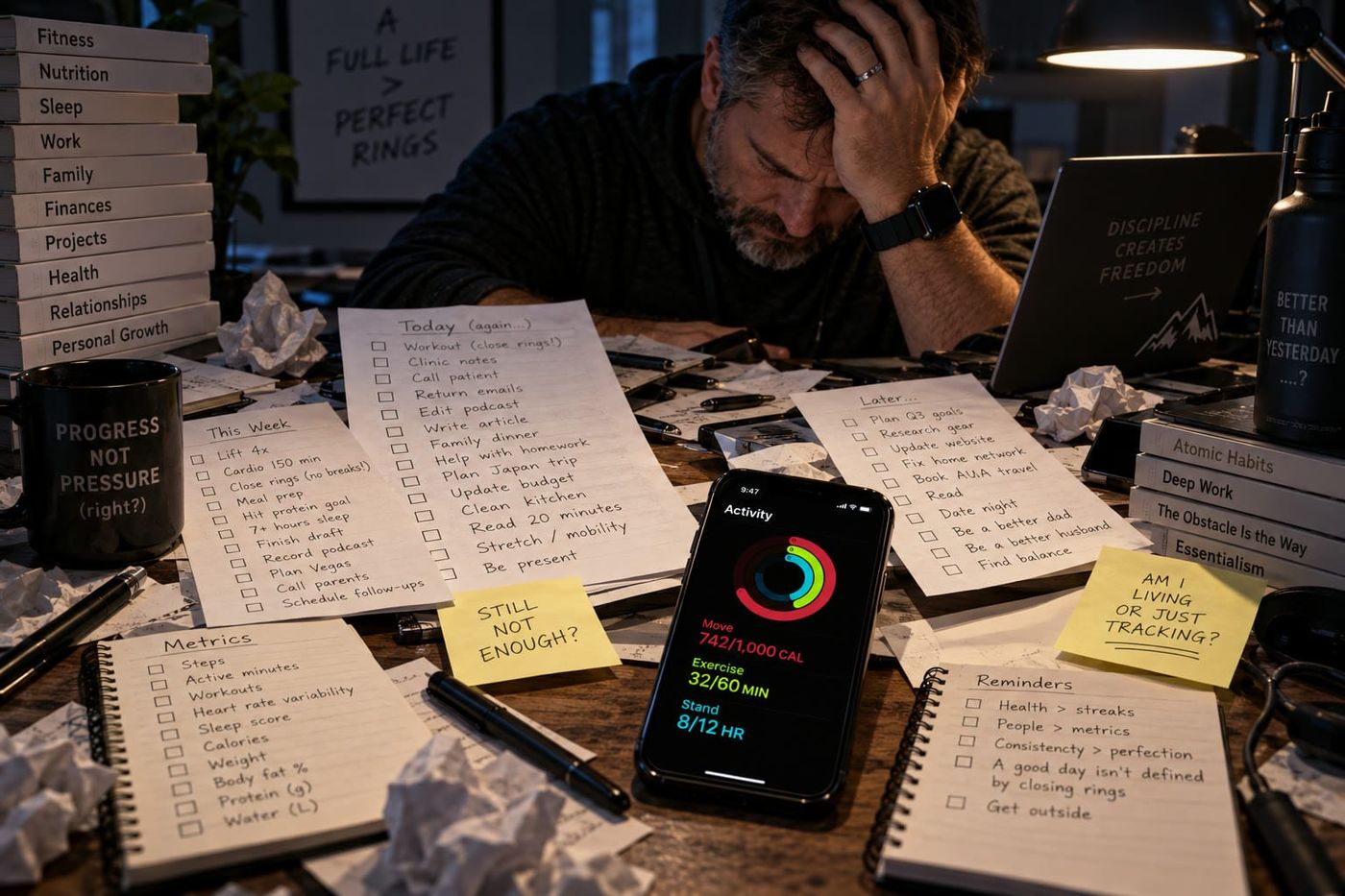

“You should be more positive.”
I throw up in my mouth a little, and suppress the desire to throat punch someone.
Am I a positive person? No, I don’t think I am. I’ve been told many times, and I am sure I’m not alone, that I should be more positive. It has become a weapon, wielded against me with almost reckless abandon. And I have tried. Time and again, I have made a conscious effort to be more positive. I always fail. It lasts a few days, maybe a week or two. And then I am back to my normal, real self.
I now embrace that.
Because you know what? Being “positive” is a load of crap. It isn’t something I aspire to be. And while I’m not a positive person, I have come to realize something much more important.
While I am not a positive person, I am an optimistic person.
I’ll take that any day.
Being “positive” has become the encouraging way to tell someone to shut up, suck it up, and get back in line. I don’t think everyone who uses the word intends it to mean that. Doesn’t matter. That is what it has become.
When things aren’t going well, those who speak up about it are labeled as negative. They are told to be more positive. But that isn’t what is really wanted. What is wanted is that they stop making noise.
Because positivity isn’t something we do. Positivity is a mask, a shroud in which we cloak ourselves in order to cover and hide the truth. Constantly being positive requires that we ignore reality.
And reality can super suck at times.
This relentless push to be positive hinders us. It forces us to ignore or deny when things aren’t working. We have to just deal with it, else we are labeled troublemakers.
Most damningly, it demands we accept things as they are and stop trying to make them better.
If we refuse to point out the negative, we simply cannot improve. If we gloss over the bad, it festers and grows. Only by embracing the negative can we actually begin to fix what is wrong. The negative isn’t something to be ignored; it is something to be improved.
So, I recommend we abandon passive positivity. Instead, let us embrace optimism.
Too often, optimism and positivity are conflated to be the same. They are not. And the difference between the two is where the real power of optimism lies.
First, let’s not mistake what I am saying. I’m not advocating we relish or celebrate the negative. I am advocating that we recognize it, and then be optimistic about our ability to make it better.
What, then, is the difference between positivity and optimism?
Positivity is a denial of reality. It is forcing oneself to smile when there is no reason to. To pretend that reality is different—or better—than it actually is. Being positive requires us to acquiesce, accept, and essentially admit defeat.
Optimism is not that. At all. Optimism recognizes—and accepts—reality, ugly warts and all. And then it adds hope, a belief that reality can be better, and that we actively be part of making things better.
And that’s why we are asked to be positive. We are asked to put on the facade, to bow our heads, and to fall in line. That is easier. We become servile, pliable, passive. We don’t question, push back, or are motivated to take action.
In fact, we are motivated to do the exact opposite: simply coast.
Optimism demands more, much more. It demands that we be willing to be part of the solution. That we actively work to make the world a better place. It requires effort, time, and energy. Optimism requires that we be better versions of ourselves in our effort to help others do the very same.
To be optimistic, we must be willing to, honestly and openly, recognize the flaws around us. To speak up. Not for the sake of complaining, but in order to be part of making things better. That demands a level of honesty that we are often uncomfortable with.
But it is worth the effort and discomfort.
So no, I don’t think we should be positive. We should be optimistic.
We should be comfortable being uncomfortable. Positivity encourages complacency. Optimism encourages creativity.
Many of the problems are systemic. We can’t change them overnight. But we can make the change in us. By choosing to embrace optimism, we allow ourselves to see reality and then ask how reality could be better.
Does that require more from us? Absolutely.
That’s the point. Nothing improves without effort. When the wood is rotten, we shouldn’t slap another coat of paint on top. We must remove the rot, replace with stronger stock, and make it better.
The next time you think you should be more positive, I invite you to, instead, be more optimistic. Yes, it takes more work.
And that’s the entire point.