We live in a world of maximum connection.
Think about it. How easy is it to have a connection with someone across the globe? Over the years, I have developed online friendships with people literally on the other side of the world.
I'm not the only one.
It has become trivial for us to make connections with other people. Heck, every time I (almost accidentally) go to LinkedIn, I have a dozen — or more — new "connections" waiting for my response.
And when Nick Harkaway, author of my favorite book, The Gone Away World, started following me on Twitter (that was the name at the time, and I refuse to accede to Elon and call it by its current name), I thought it was the coolest thing ever.
So, if that is the case, why did the U.S. Surgeon General's office, in 2023, release an 82-page report titled Our Epidemic of Loneliness and Isolation?
Maybe we aren't as connected as we think.
It is frightening.
Every day there seems to be a new article, video, or podcast telling us just how dangerous it is that we are so isolated. We are killing ourselves by not having more social connection. Forget eating right, lifting weights, and taking care of our bodies.
We'd better be meeting one group of friends for brunch on Monday, playing pickleball with another Wednesday evening, going to a party on Friday, and then inviting neighbors over on Saturday.
Don't want to do all of that?
Death.
I wish I were exaggerating. But I'm not. (Well, okay, maybe just a little. But not as much as you would think.) It is so serious that, in 2010, a paper from the National Institute on Aging stated the following:
Social isolation is as dangerous for your health as smoking 15 cigarettes a day.
Yikes.
And this has been reported over and over: on the news, in TED talks, on podcasts, in newsletters that claim to vet their information. For well over a decade, this statistic has been used to tell us that we are doing life wrong. Add one more thing to the list.
Except that is a completely misreported — and deliberately misleading — statistic.
First, let's clear the air. In the paper published by the National Institute on Aging, this statistic was only found in a chart that was comparing numerous risk factors to our health. And it was focusing on the most extreme circumstances — people who consistently went longer than a month with no social contact.
Perspective and nuance. So important. So lost in the mainstream and social media. And on the internet.
Let's cut through the crap. And put to rest the "epidemic" term thrown about so casually.
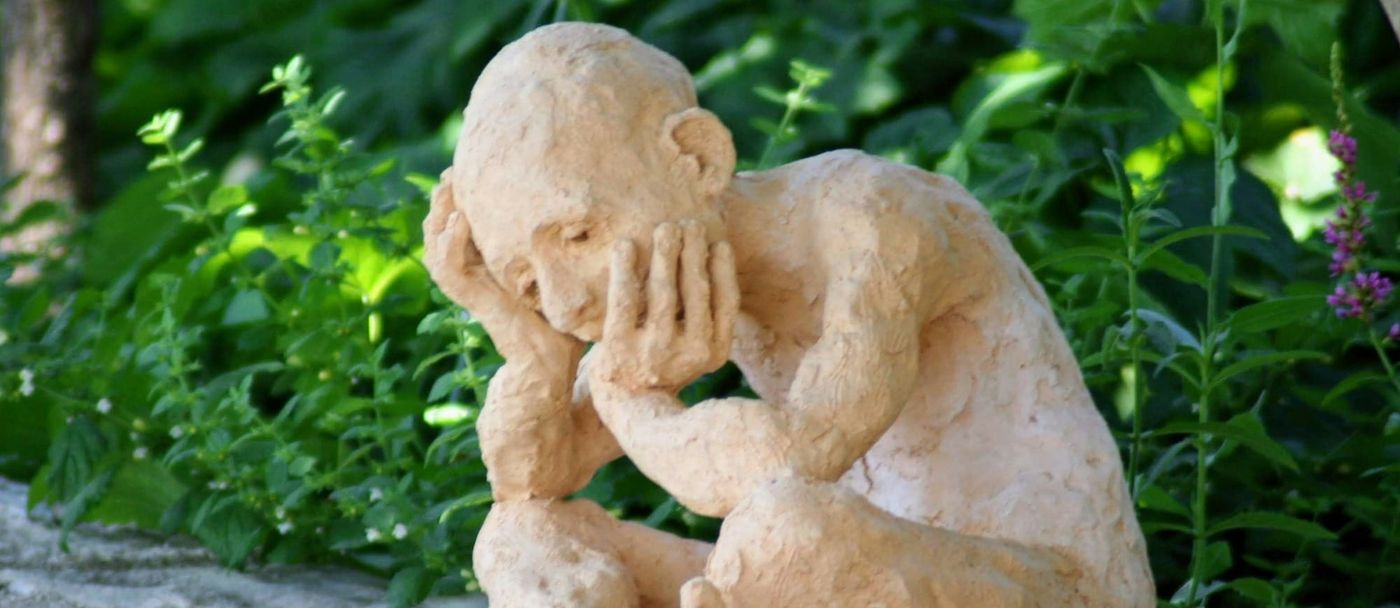
Social isolation is the objective lack of contact with other people. Loneliness is the subjective feeling that one's relationships are inadequate. These are two very different things, but too often are conflated as meaning the same. And this matters.
Words matter.
Am I going to argue that we don't need social contact? That neither of these matters? Of course I'm not.
But there is the story we are told about the harms of isolation and loneliness, and then there is the actual data. Simply put, they don't agree.
And that is important. We are told, in so many ways and by so many outlets, that we are doing it wrong, or not enough, or too much.
We are failing.
And you better believe that the person telling us that has something to sell us, or is racking up the views by spreading fear.
The risks of extreme social isolation are real.
Contact less frequent than monthly does appear to carry a 30-35% higher mortality rate. That is alarming, and a good reminder to reach out to those who need it.
But loneliness is too subjective to have any real data to assess its risk. There is a strong link between loneliness and mental health problems. Still, is it a causative relationship, a correlational one, or something else?
We don't know.
What about social media? Numerous books, articles, and a bevy of lawsuits all scream at us about how harmful it is. And while I do believe there are harms from it, I think the answer is, again, more nuanced than what we are told.
Still, I believed that social media was worsening isolation. Giving us the pastiche of social interaction, but not the same benefits. And while this is a real aspect of social media, there is yet to be any data to support that it increases social isolation and loneliness.
I'm not endorsing increased social media use, by any stretch. But I think we need to be honest in our conversations about the actual harms of it.
So what does that data show? There is the increased mortality I mentioned earlier, but the numbers show that having social interactions at least monthly seems to be the protective amount. Any measurable health benefit flattens after that.
Loneliness has been decreasing in all age groups over the past two decades, with one exception: 18- 29-year-olds report an increase. The reasons for this increase are multiple, somewhat unclear, and we are dealing with a subjective measure. It's complicated.
Additionally, social contact decreases over the past decade have been too small to be statistically significant. And social media? Heavier users are actually much more socially connected and active in meatspace, not just online. And removing social media apps doesn't lead to more socialization: people just spend more time in other apps.
Finally, what about dementia? I have heard, and repeated, that social isolation is one of the most significant risk factors for dementia.
Zero evidence to support this claim.
More difficult still is this: social isolation is a common symptom of dementia, and appears as a prodrome (a symptom that appears some time before the actual diagnosis) of dementia. So we will likely never know whether social isolation increases dementia risk, or whether people developing dementia start isolating long before they are diagnosed.
Why bother to write this? To share this?
I started Imperfect Practice precisely because I was tired of the glut of productivity and self-improvement information on the internet that promised it had the answers. I was so done with people telling you to follow their system, get their dashboard, journal in their method, and all your problems would be solved.
I love exploring productivity and self-help, but believe (more every day) that it must be personal. And I tire of us all constantly being told we are doing it wrong, that we aren't enough.
And having social interaction become weaponized, a metric we measure (and measure ourselves against), makes me angry. Having friends shouldn't become another facet of "human-maxxing," and it has.
I hate that.
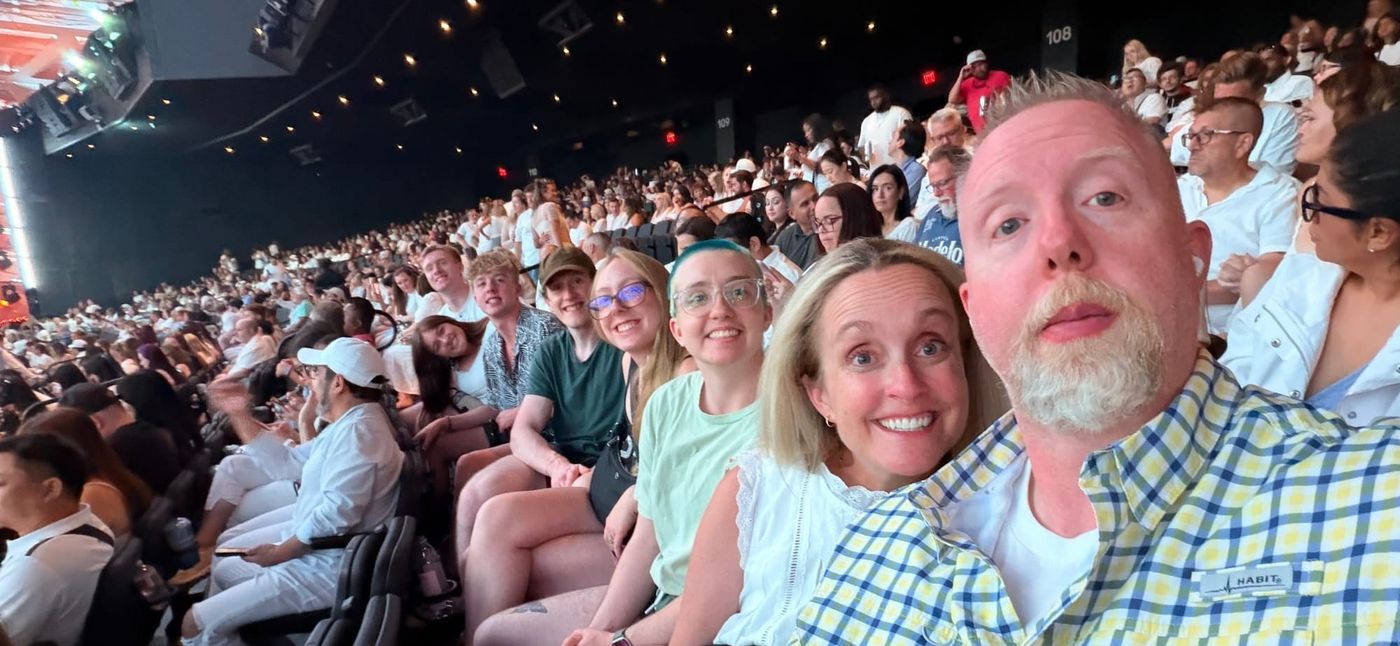
Over the past few years, I have developed a group of friends who get together regularly to play Dungeons and Dragons. It has made a huge, positive impact on my life. I am happier; my severe social anxiety has almost vanished. And I can, for the first time in my adult life, honestly say I have real friends.
So, we owe it to ourselves — and each other — to connect. To spend time together. To be there for each other. I hope you have those people in your life, as I now do in mine. I hope you have connections at work, in the community, at church, or wherever those people might be. I hope you find joy in spending time with them.
When you want to and feel up to it.
But don't worry if it is enough. Don't waste time or energy optimizing your friendships. Let them be human. Let them be imperfect and maybe irregular.
Let them be real.
And don't let anyone tell you you are doing life wrong or not enough. You are enough. And you can be enough for someone else. Be there, lift and be lifted, and help each other.
Not because we have been shamed into it.
But because we are human beings who give a damn about each other.