Friction.
Some days, lack of friction lands us flat on our backsides. Or maybe friction saves our bacon. It helps us. It hurts us.
And when it comes to habits, friction is often the key.
Too much friction and a habit never forms. Lower that friction, and suddenly it becomes achievable. But what if adding friction is actually the key to overcoming something? I believe it is. And I'm not the only one.
In February, my goal was to improve my nighttime routine. I had my plan, my list of things to tackle; my routine was written out.
One key part of this routine was not scrolling on my phone while in my bed. Sounds easy.
It was not. I blew it. Big time. In a matter of days.
Here is the problem: because of work, I have to have my phone close enough to my bed that I can hear and answer it at any time. I can't charge it elsewhere overnight.
And that proximity was my undoing. There was zero friction to picking the phone up, or not even putting it down in the first place.
That was the problem—lack of friction.
And so the solution was simple and obvious. But how could I do it effectively? I soon realized that was the real issue.
I've made focus modes on my phone before. But all that did was prevent me from getting notifications. The apps all still sat there, staring at me.
I set restrictions in Screen Time. Time's up? I get told that is it for the day. With a nice little "Ignore Limit" button I can tap.
Back in (in)action.
I needed something better. This wasn't the answer.
I remembered hearing about the Brick. It couldn't be worse than what I was already doing, so I ordered one.
I've been using it for a few weeks now.
It is exactly what I needed, wanted, and hoped for.
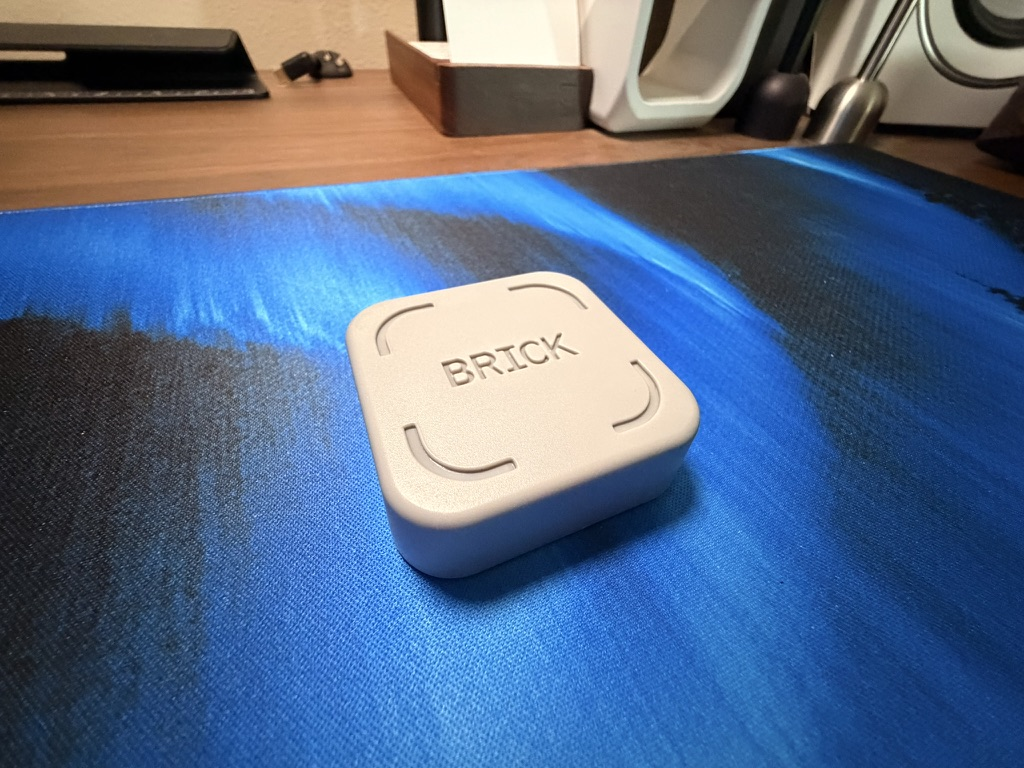
The brick is a small, 4-square-inch object with a magnet on the back and an NFC chip inside it. That's all. But when paired with the Brick app, it becomes something much more powerful.
In the app, you customize your own modes and choose what apps to block or allow.
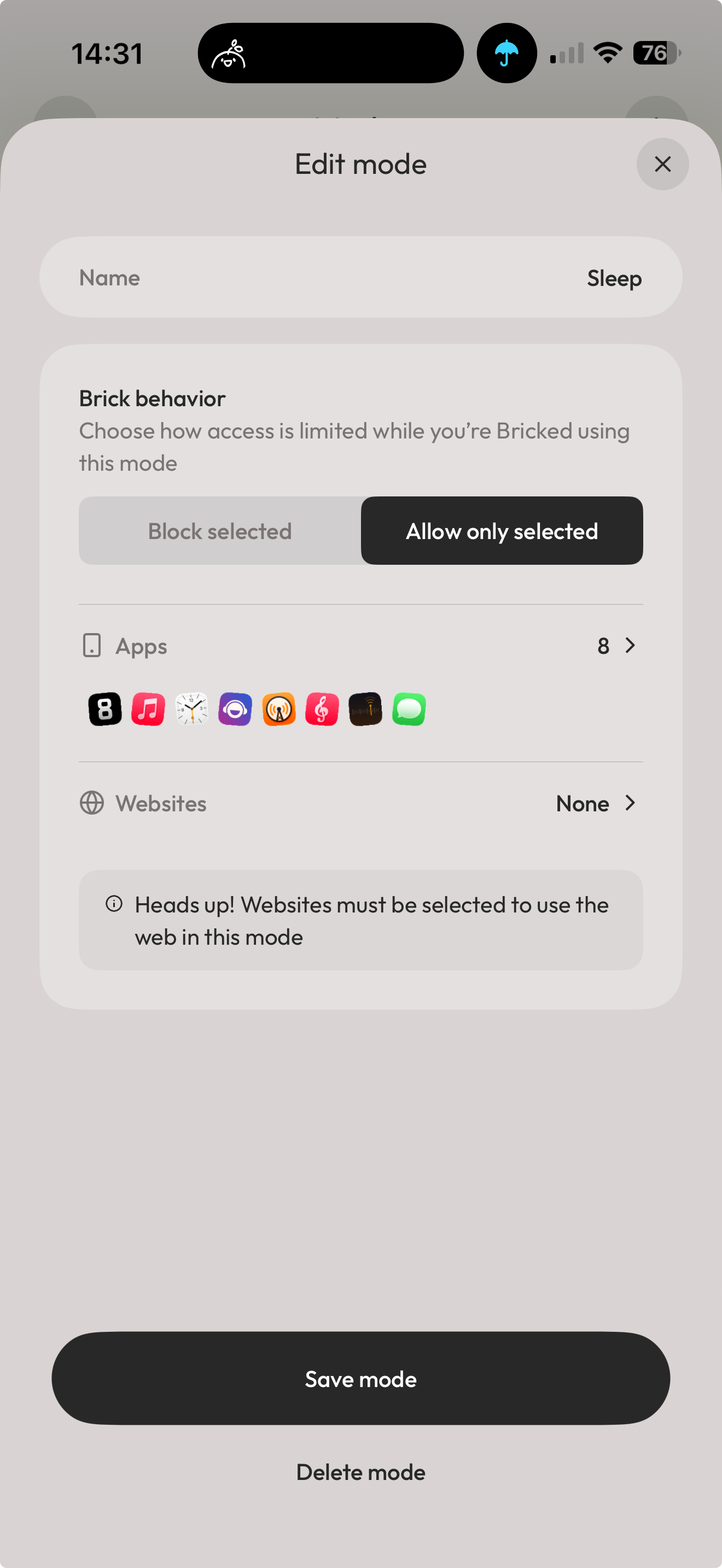
My sleep mode is simple: Messages, apps for sound or music, and my clock. Certain essential apps are allowed by default (phone, for example).
Before I get ready for bed, I tap my phone on the Brick device that is on the side of my fridge (thanks, magnetism!) and my sleep mode turns on. All apps are now completely unavailable, save those specific ones.
And unlike Screen Time, there is no easy out:
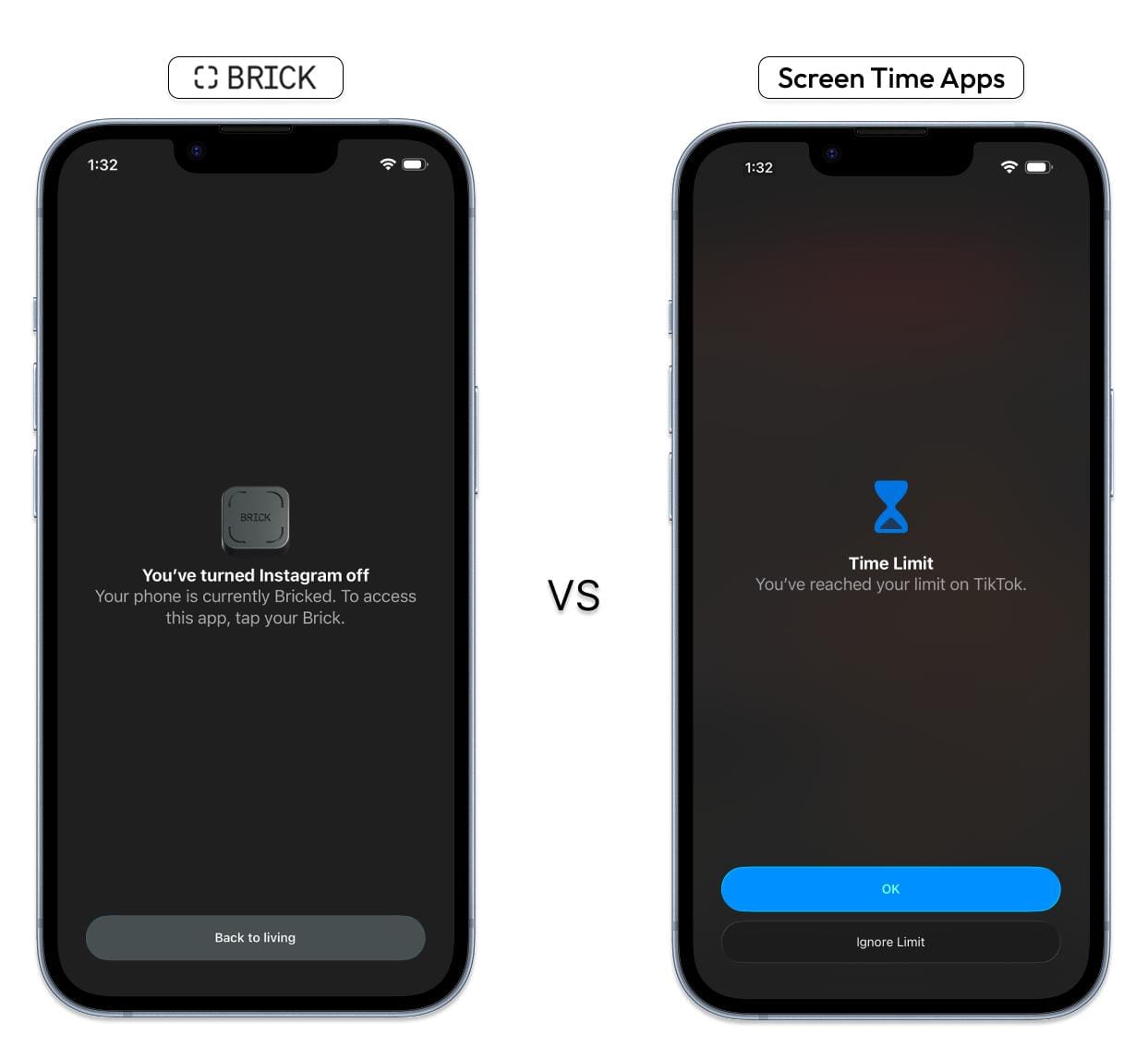
None of the blocked apps work until I tap my phone against the physical Brick again.
It is awesome.
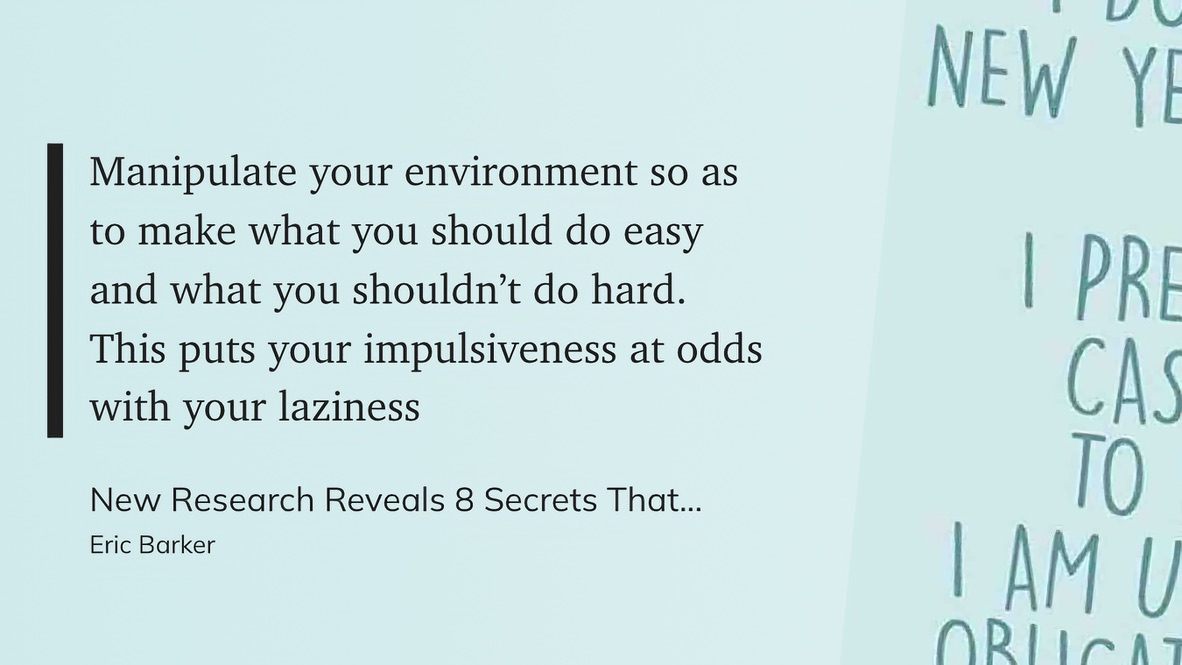
I needed friction. Not too much. Just enough to make the bad habit of scrolling on my phone while I was in bed unpleasant.
I set up a sleep mode. I get ready for bed. I lie down.
As I do so, do I still want to check Instagram one more time? Yep, sure do. But do I want to do that enough to get out of bed, walk to the kitchen, and unbrick my phone?
No freaking way.
It isn't much friction. Maybe a 50-foot walk and a tap. But it is enough. Enough that I don't want to do it. I don't really feel any compulsion to do so.
Friction that introduces just a small nudge one direction, but it is sufficient. And that is the key, and was a revelation. A small bit of friction that helped me remove a habit.
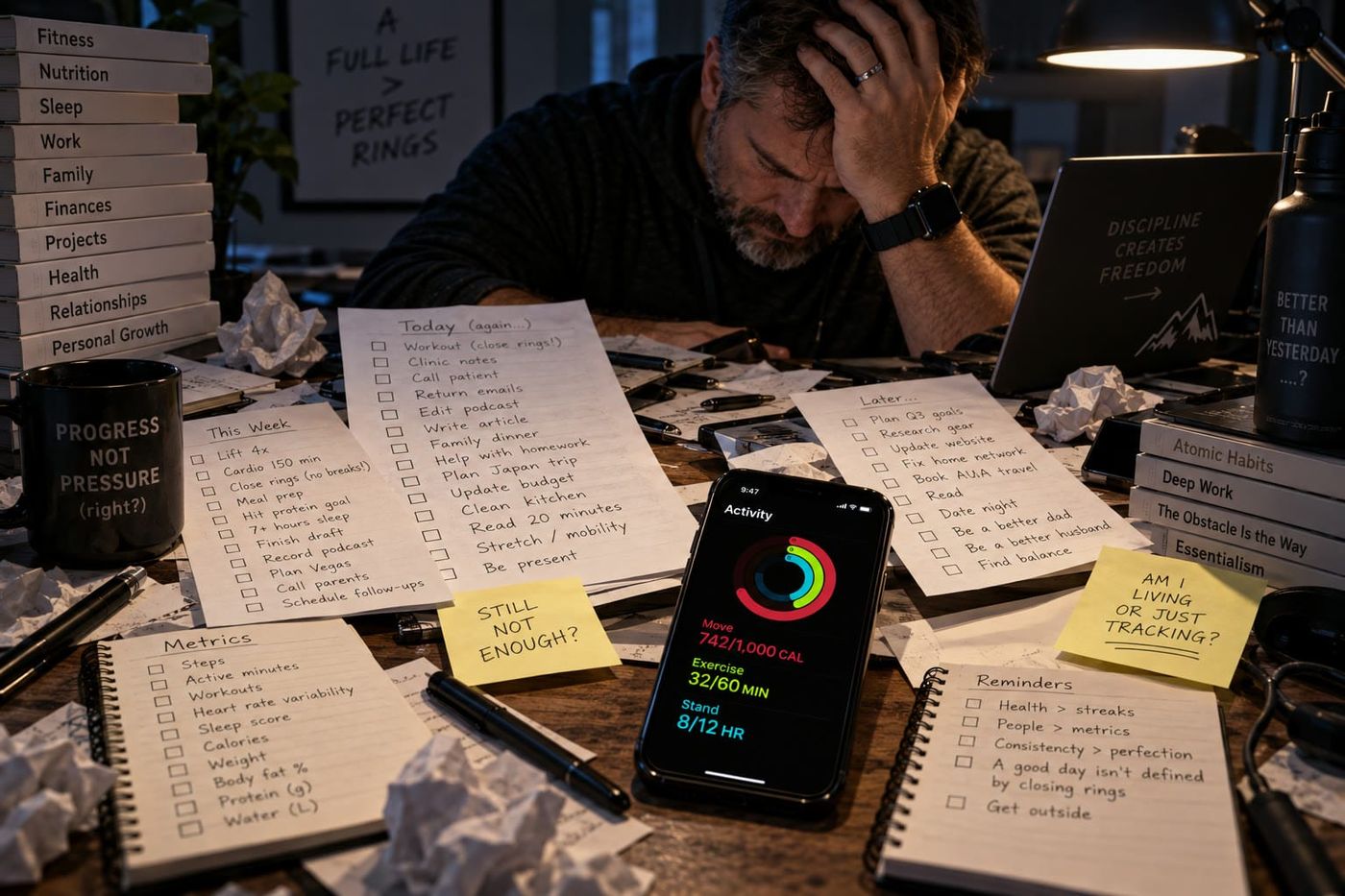
I often overcomplicate my own life.
I'm sure I'm not alone.
To create a new habit, we must do it 21 times in a row. Or is it 30? No, wait, now it is 66. That is the key.
And it has to be perfect. Our streak must endure. A single slip-up and that is it. Give it 100% or just give up. There is no in-between. Perfection is the only choice.
Only that isn't realistic. And most importantly, it isn't true. Perfection shouldn't be the goal: it is unattainable. Better should be the goal. Friction can help us be better. Do better.
And it doesn't have to be enormous amounts. We can find small ways and places to add—or remove—friction. And then those small changes compound over time.
The input becomes dwarfed by the output if we are consistent, not perfect.
This isn't some review of the Brick. I have zero relationship with the company. But I found it to be just the right amount of friction. Enough to stop my bad habit.
Not so much I refuse to use it.
Small victories, such as this one, surround us. We need to be able to see them. We need to be willing to put in a little work. And we need to be willing to try something new.
But it doesn't have to be overwhelming. One small, simple added bit of friction can make all the difference.